The Rise and Reign of Coffee Brewers: A Comprehensive Guide to Brewing Perfection
Coffee is more than just a drink; it's a routine that many all over the world value. Whether it's the very first cup to kickstart the day or a mid-afternoon pick-me-up, the technique of preparation significantly influences the taste and general experience of coffee. Coffee brewers have actually developed considerably for many years, from standard drip machines to advanced espresso makers, making it important for coffee lovers to understand the various types readily available and their unique advantages.
The Evolution of Coffee Brewing Methods
Coffee developing has a rich history that spans centuries. The method used typically reflects cultural traditions and developments in innovation. Here, we will explore some of the most popular coffee developing techniques, their advantages and disadvantages, and which type of brewer may suit different lifestyles and preferences.
1. Drip Coffee Makers
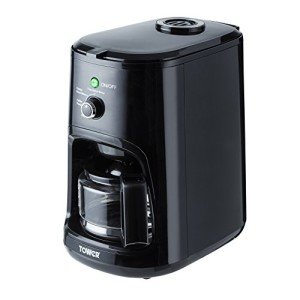
The drip coffee maker is one of the most popular developing approaches, particularly in households and workplaces.
Pros:
- Simple to utilize: Just add water and coffee grounds.
- Ideal for developing several cups at once.
- Consistent flavor with automatic temperature level control.
Cons:
- Limited control over brewing time and temperature level.
- Generally needs filtered coffee, which some may find restricting.
2. French Press
The French press, likewise referred to as a press pot or plunger pot, is favored by numerous for its abundant flavor extraction.
Pros:
- Allows for complete control over developing time.
- Produces a thick and flavorful cup of coffee.
- No need for paper filters, which is environmentally friendly.
Cons:
- Requires more manual effort than automatic machines.
- Can lead to sediment in the bottom of the cup.
3. Espresso Machines
Espresso machines range from manual to fully automated systems developed to produce focused coffee shots.
Pros:
- Versatile: Can make espresso, cappuccinos, lattes, and more.
- Produces rich, bold flavors and a creamy crema.
Cons:
- Typically more pricey and requires more understanding to run.
- Cleaning up and maintenance can be more complex.
4. Pour-Over Coffee Makers
Pour-over methods like the Chemex and Hario V60 have gotten traction for their capability to brew a clean and aromatic cup.
Pros:
- Provides outstanding control over the developing procedure.
- High-quality taste extraction when done correctly.
Cons:
- Time-consuming and requires ability to ideal.
- Not perfect for producing large quantities.
5. Cold Brew Coffee Makers
Cold brew is made by steeping coarsely ground coffee in cold water, producing a smooth, less acidic drink.
Pros:
- Smooth and refreshing, with lower level of acidity compared to hot brew.
- Can be made in large batches and kept for days.
Cons:
- Requires innovative planning, as steeping can take 12 to 24 hours.
- Some may not appreciate the unique taste profile.
| Developing Method | Pros | Cons |
|---|---|---|
| Drip Coffee Maker | Simple, brews numerous cups | Limited control |
| French Press | Full control, rich taste | Manual effort needed |
| Espresso Machine | Versatile, abundant flavors | Higher expense and complexity |
| Pour-Over | Exceptional control, high-quality taste | Lengthy, skill-dependent |
| Cold Brew | Smooth, low acidity | Long developing time, unique flavor profile |
Choosing the Right Coffee Brewer
When choosing a coffee maker, several elements should be considered:
- Brew Size: How lots of cups do you typically make at the same time? For those developing for a crowd, a drip coffee maker or a bigger French press may be suitable.
- Time Commitment: How much time are you ready to commit to developing? If time is of the essence, automatic machines may be more suitable.
- Flavor Preferences: Do you delight in intricate flavors and boldness? An espresso machine or pour-over technique might be perfect.
- Budget plan: High-quality coffee machines can range considerably in price, so determining your budget will narrow down choices.
- Space: Consider the countertop space offered in your cooking area, as some brewers can be quite large.
FAQs About Coffee Brewers
1. How do I clean my coffee maker?
Many coffee makers have specific cleansing guidelines in their handbooks, but basic methods consist of:
- For drip coffee makers: Run a service of vinegar and water through the brew cycle followed by clean water.
- For French presses: Disassemble the plunger and clean it under hot water utilizing a soft sponge.
2. How often should I replace my coffee maker?
Usually, coffee machine can last anywhere from 5 to 10 years with proper care. If you discover a decline in the flavor of your coffee or consistent problems with performance, it might be time for a replacement.
3. Can I utilize routine coffee with an espresso machine?
Yes, you can use regular coffee, however it won't yield the exact same concentrated taste profile as using espresso roast coffee particularly developed for such machines.
4. What is the best coffee-to-water ratio for brewing?
A general guideline is the "Golden Ratio" of 1:16, which is one part coffee to 16 parts water, but experimentation might lead you to your individual preference.
5. Are expensive coffee makers worth it?
Higher-end coffee makers frequently have better develop quality, more functions, and supply better flavor control. However, "worth it" can be subjective based on private needs and budget.
The variety of coffee brewers offered today allows lovers to explore and try out flavors, methods, and developing times, making every cup an unique experience. Whether selecting a basic drip machine or mastering the art of espresso brewing, the journey of creating the perfect cup of coffee continues to develop. By comprehending mouse click the following website page developing approaches and their characteristics, individuals can make educated choices that enhance their day-to-day coffee routine and appreciation. After all, the ideal brewer can make all the difference in enjoying that much-loved cup of joe.